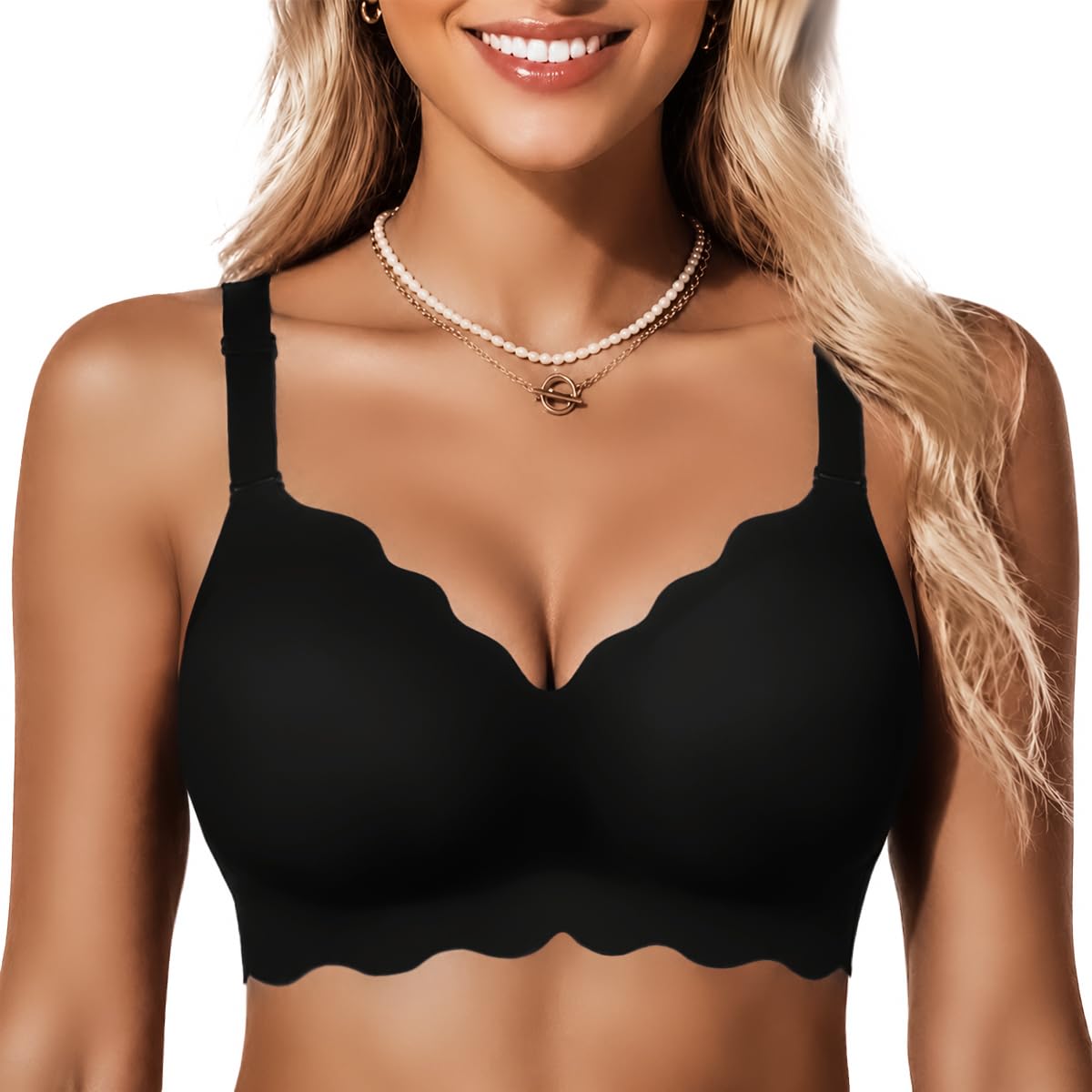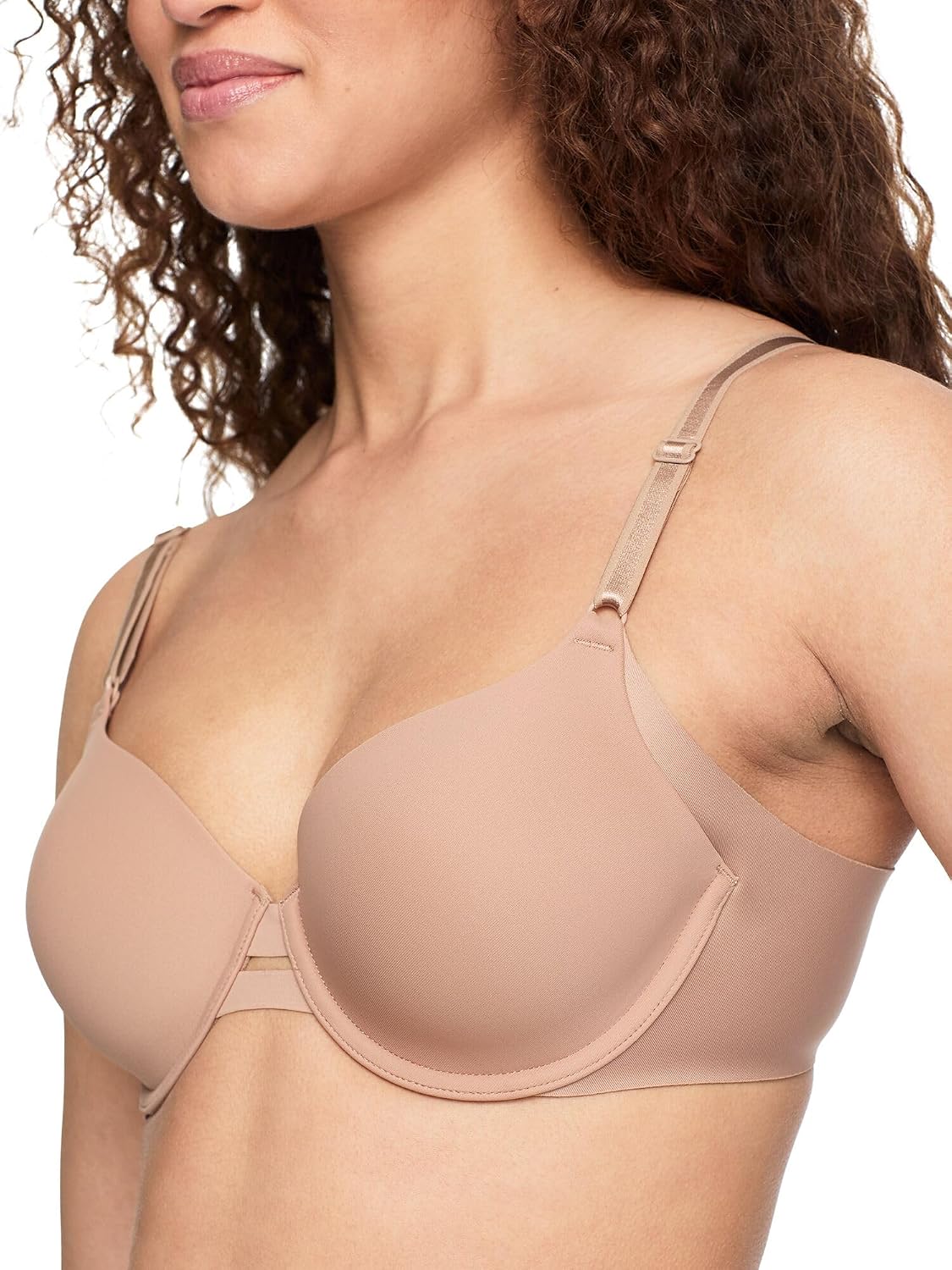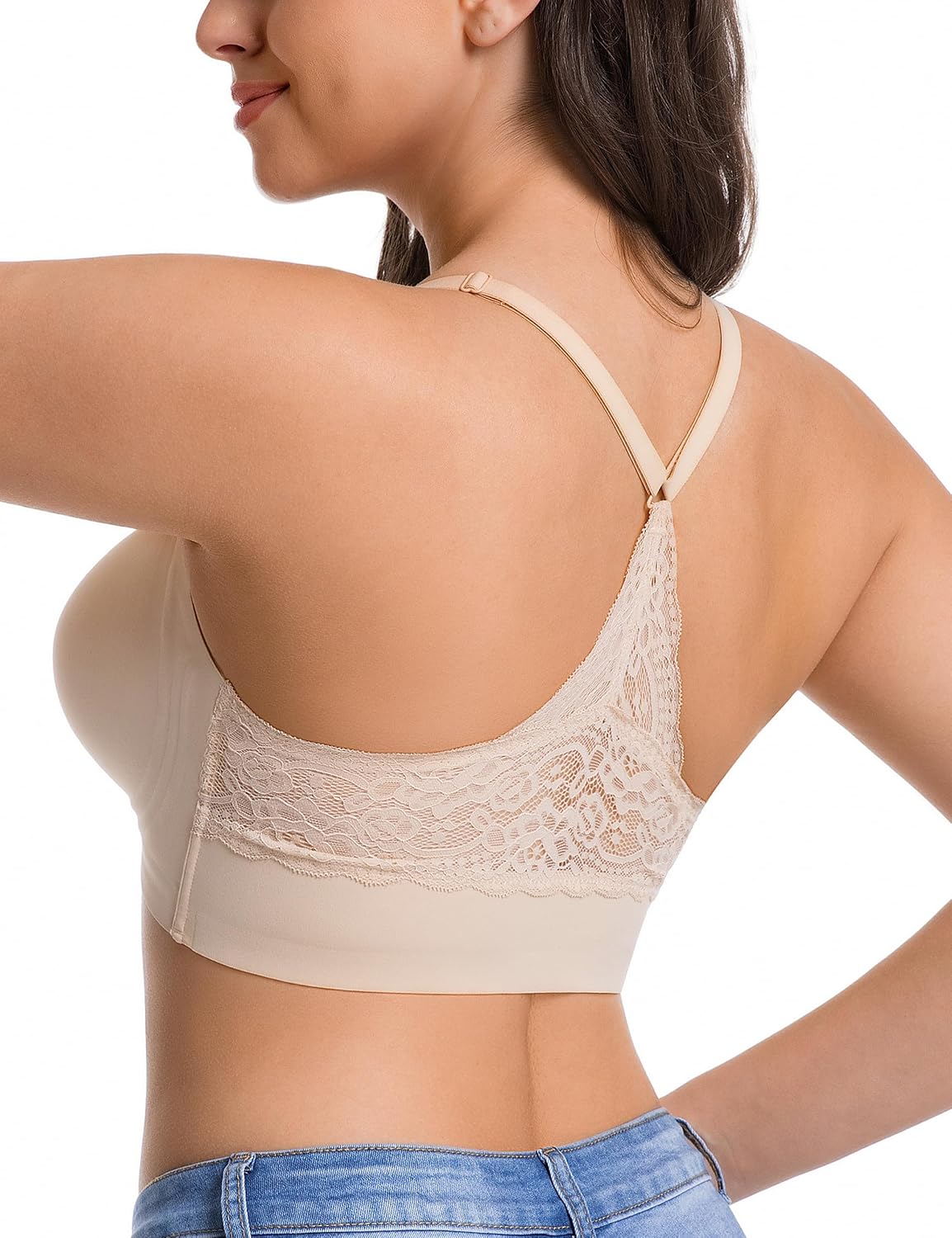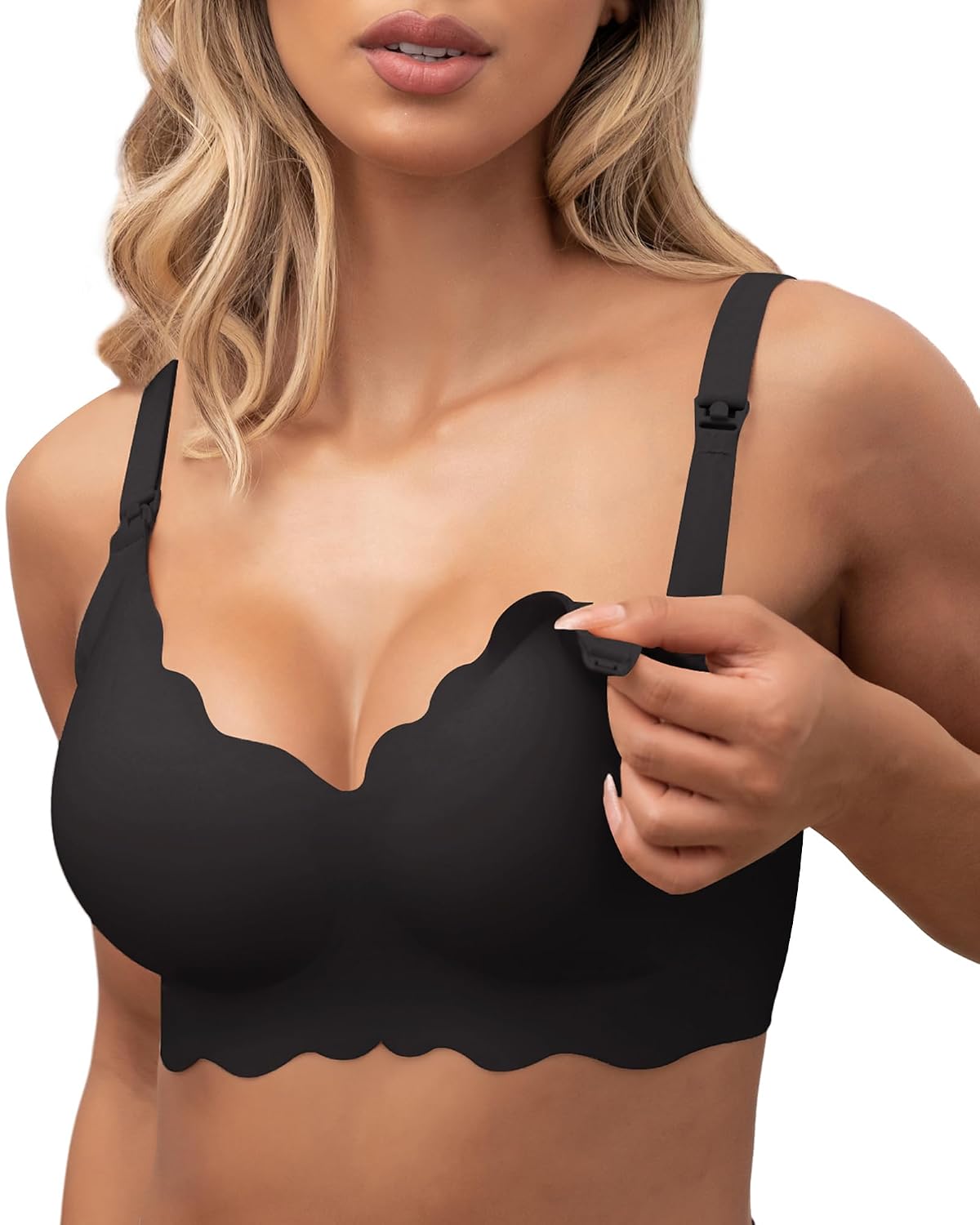
Nursing Bras That Don't Feel Like a Compromise
For years, the nursing bra was where lingerie went to give up. All function, no form — beige, utilitarian, and designed like a small medical device. New mothers were told, implicitly, that this was the price of feeding a baby: you get the clips and the flaps, and you surrender everything else. Looking like yourself was a luxury that apparently did not survive childbirth.
It is not that way anymore. The category has been quietly reinvented by brands that understood a simple truth: a woman who has just had a baby deserves to feel like herself, not like a piece of hospital equipment. And more practically, a woman who spends half her day feeding a baby needs bras that work — not just in the abstract, but at three in the morning, in the dark, with one hand.
The best modern nursing bras solve the practical stuff first. Easy one-handed clips, because the other hand is holding a baby. Soft, stretchy bands that do not press on tender ribs in the early weeks, when everything is sore. Fabric that stretches through size changes, because the body is doing the most dramatic reshaping it will ever do, and a bra that fit last month may not fit this month. These are not frills. They are the difference between a manageable week and a constant, low-grade struggle with your own clothing.
But they also look like something you would actually choose. Lace edges, flattering shapes, colors beyond beige. The idea that function has to look frumpy turns out to have been an assumption, not a law. There is no reason a bra that opens with a clip cannot also be pretty, and the good brands have spent the last few years proving it.
And then there is the pumping bra, which deserves its own round of applause. Hands-free styles mean you are no longer pinned to a chair holding flanges for twenty minutes at a time. You can answer a message, drink your coffee, or just sit with two free hands while the pump does its work. That is not a small luxury. It is a return of autonomy, at a moment when autonomy is in short supply, and it is hard to overstate how much it matters.
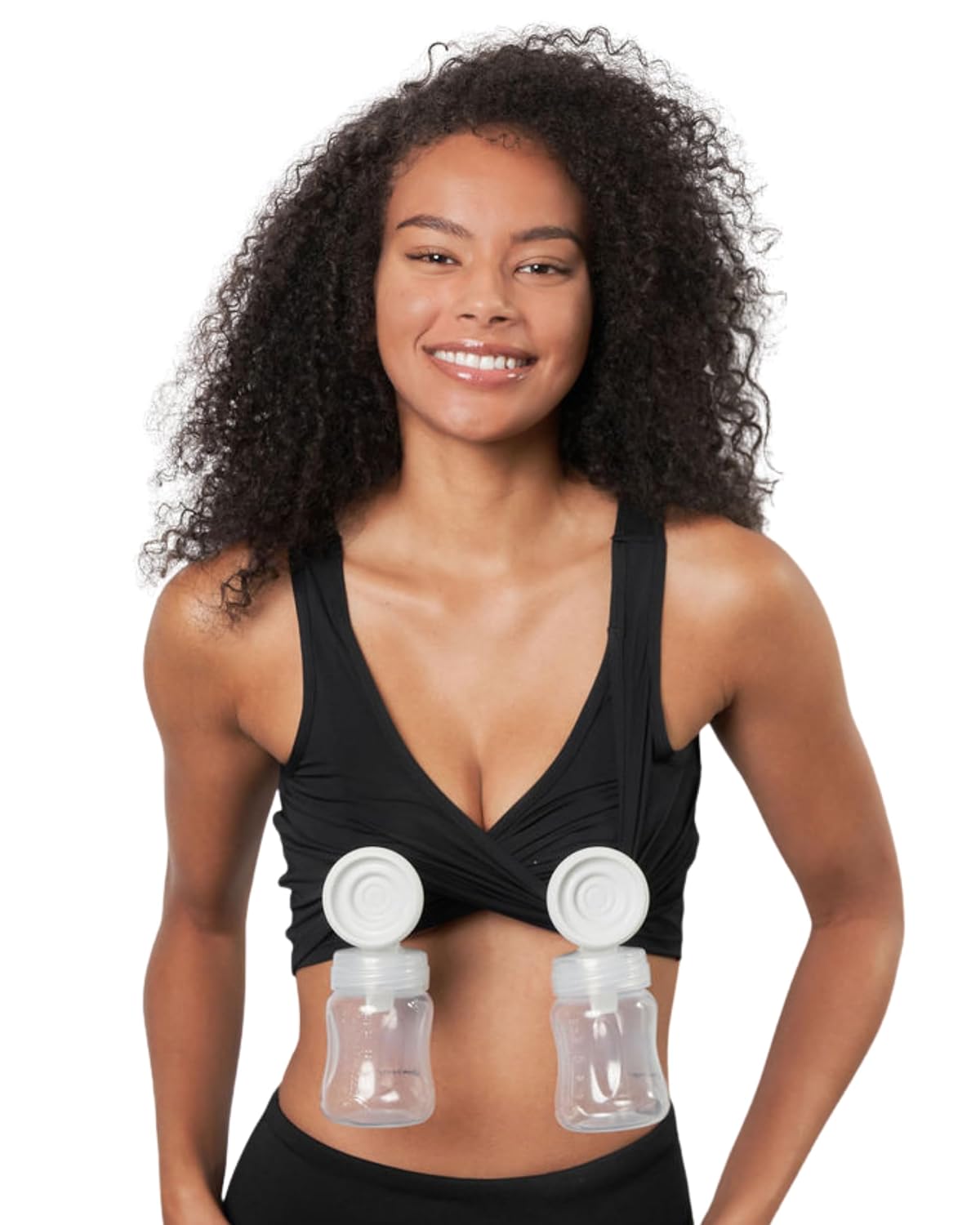
There are a few buying rules worth knowing. Buy more than one — nursing bras get washed constantly, and a single one becomes a logistical bottleneck by midweek. Two or three, in rotation, is the difference between a stressful week and a manageable one. Size up in the band for the early weeks and expect your size to change again as your milk supply settles. And look for breathable fabric, because postpartum life runs warm and nothing makes a long feeding session feel longer than a bra that does not breathe.
Finally, give yourself permission to care about how it looks. That is not vanity; it is self-preservation. The early months of motherhood are hard enough without adding "I hate everything I wear" to the list. A nursing bra that actually fits, opens easily, and looks like something you would have picked out before you had a baby is not a compromise. It is a small, daily act of remembering who you are.
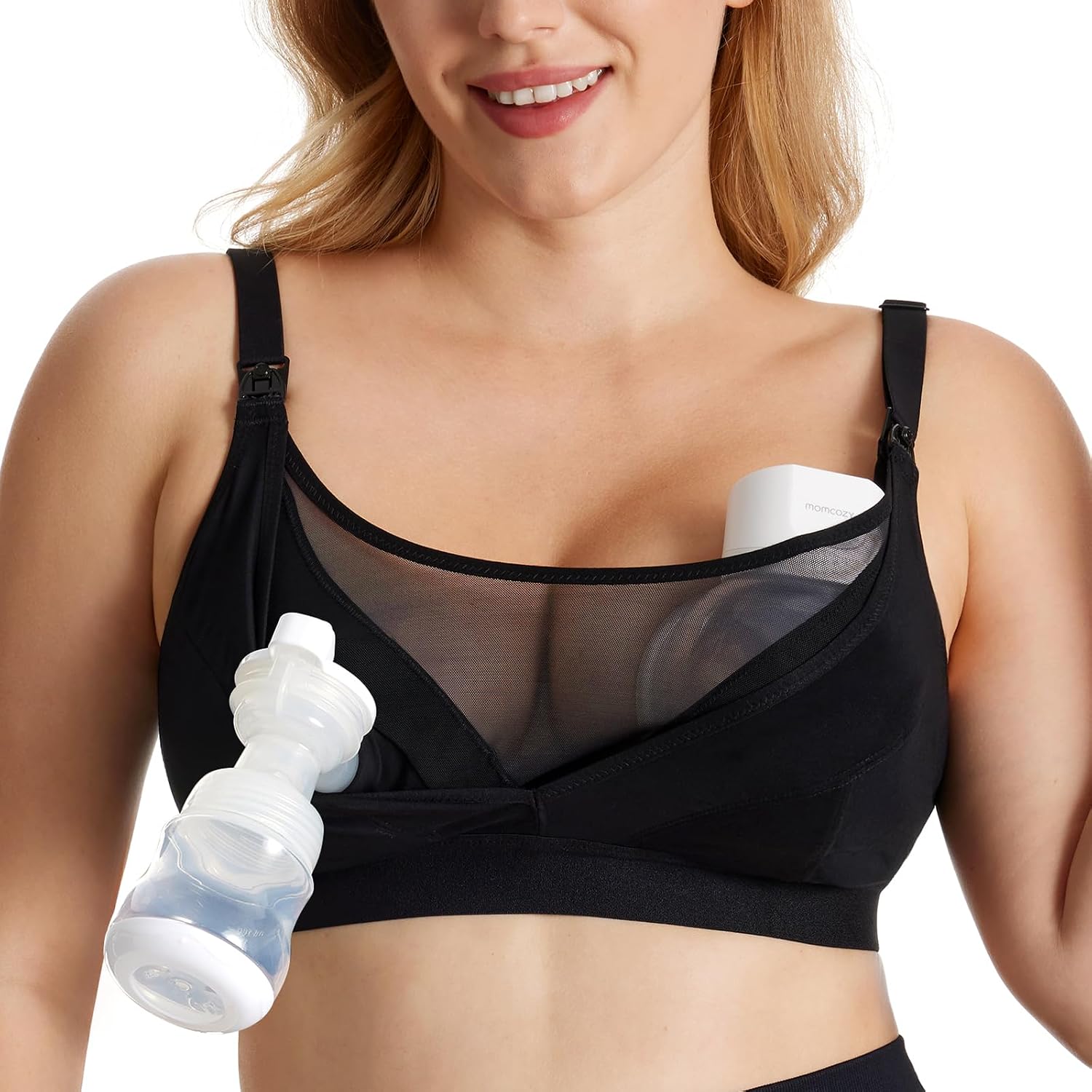
Function and feeling were never supposed to be opposites. The good nursing bras are proof they never had to be. They just took a while to catch up — and the ones that finally did are worth every penny, because they show up for you at the exact hour when showing up matters most.
Timing matters, and it is helpful to know what to expect before the baby arrives. In the third trimester, many women size up in the band as the ribcage expands, then change again in the first weeks postpartum as milk comes in and the body settles. The most practical approach is to buy one or two comfortable, stretchy bras for the very early days and hold off on a larger rotation until your size has stabilized, usually a few weeks in. Buying a full wardrobe in advance is how you end up with a drawer of things that fit for exactly one week.
For the hospital and those first chaotic days at home, pack something soft, stretchy, and clip-free if possible — a sleep bra or a crossover style that pulls aside, because you will be too tired for hardware and too sore for anything structured. Then transition into proper nursing bras once feeding settles into a rhythm. The goal in the early days is softness and access; the goal later is support and shape. The two phases call for slightly different pieces, and knowing that saves a lot of frustration.
There is also a budget reality worth saying plainly: you will go through several bras over the course of breastfeeding, so it makes sense to spend carefully and buy more of the mid-range pieces than one or two expensive ones. Look for styles that do double duty — nursing and pumping in one — to stretch the value further. And when you are finally done, be kind to yourself about the drawer you are left with. It served you through one of the hardest, most important jobs there is, and it deserves a graceful retirement.