Wired or Wireless? The Honest Trade-Off
The wired-versus-wireless argument is usually framed as a moral one: underwire is suffering, wireless is freedom. It is not that clean, and treating it as a virtue contest does nobody any favors. What you are really choosing between is two different kinds of support, each with its own physics, its own compromises, and its own very specific set of situations where it is clearly the right tool.
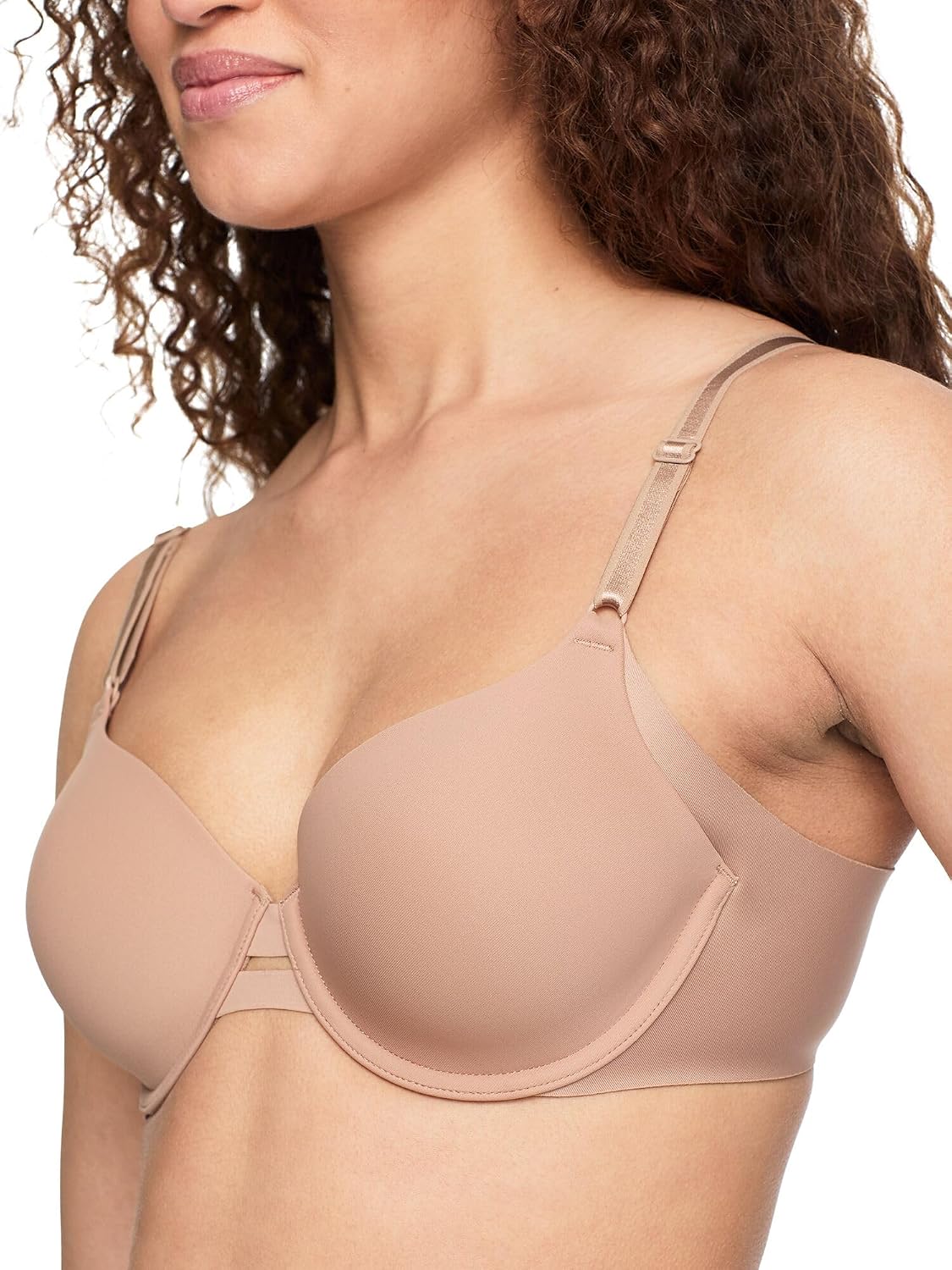
An underwire works by distributing weight along a rigid channel that curves under the breast and anchors at the sides. That rigidity is why it is still the best tool for lift, separation, and a defined silhouette that holds its shape all day. It is engineering, and when it fits, you feel it working without really feeling it — the load is carried by the wire and the band, not by your shoulders or your patience. When it does not fit, it is a small piece of metal pressing into your ribs for eight hours, and no amount of "you get used to it" fixes that. The line between "great underwire bra" and "tiny torture device" is entirely about fit.
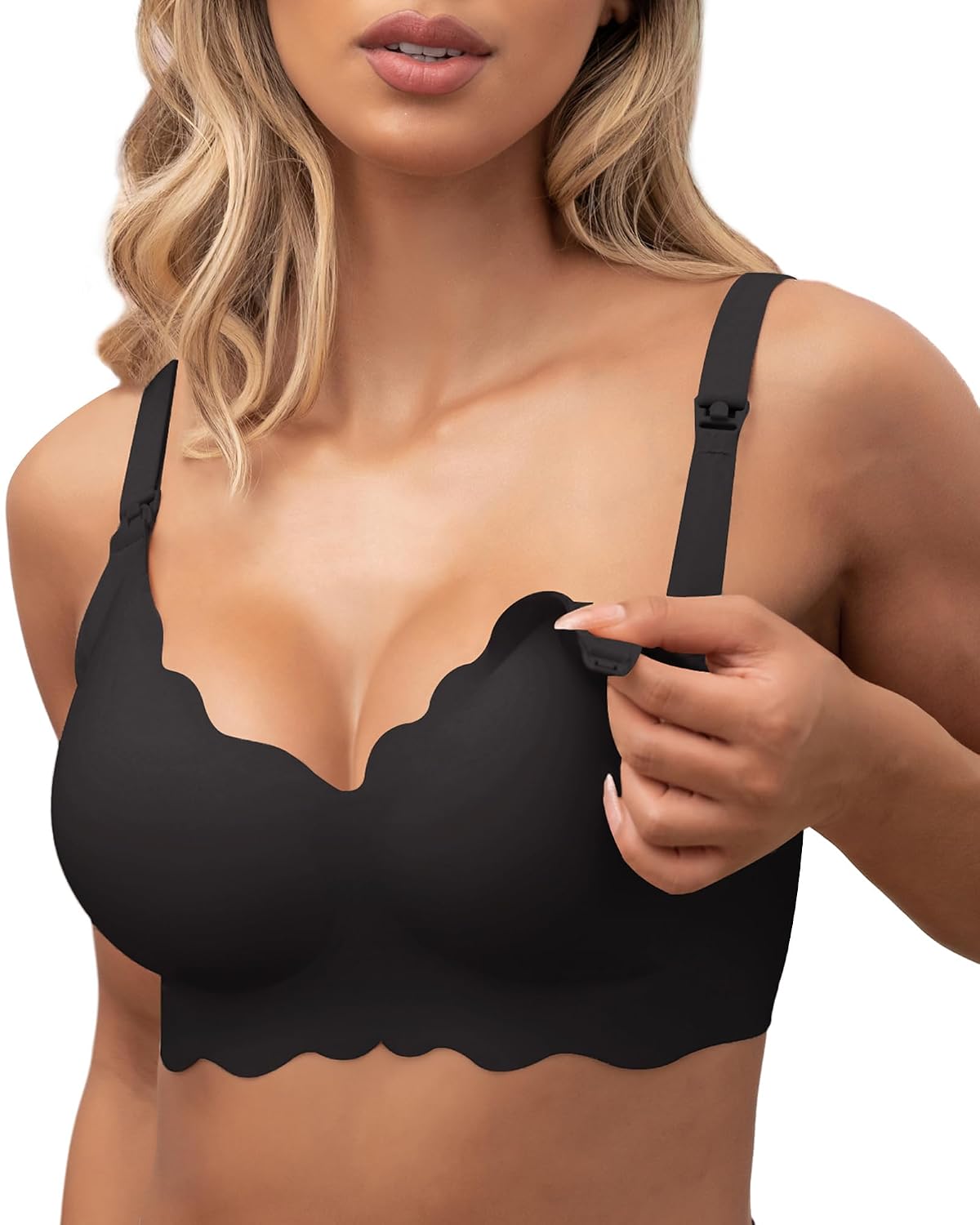
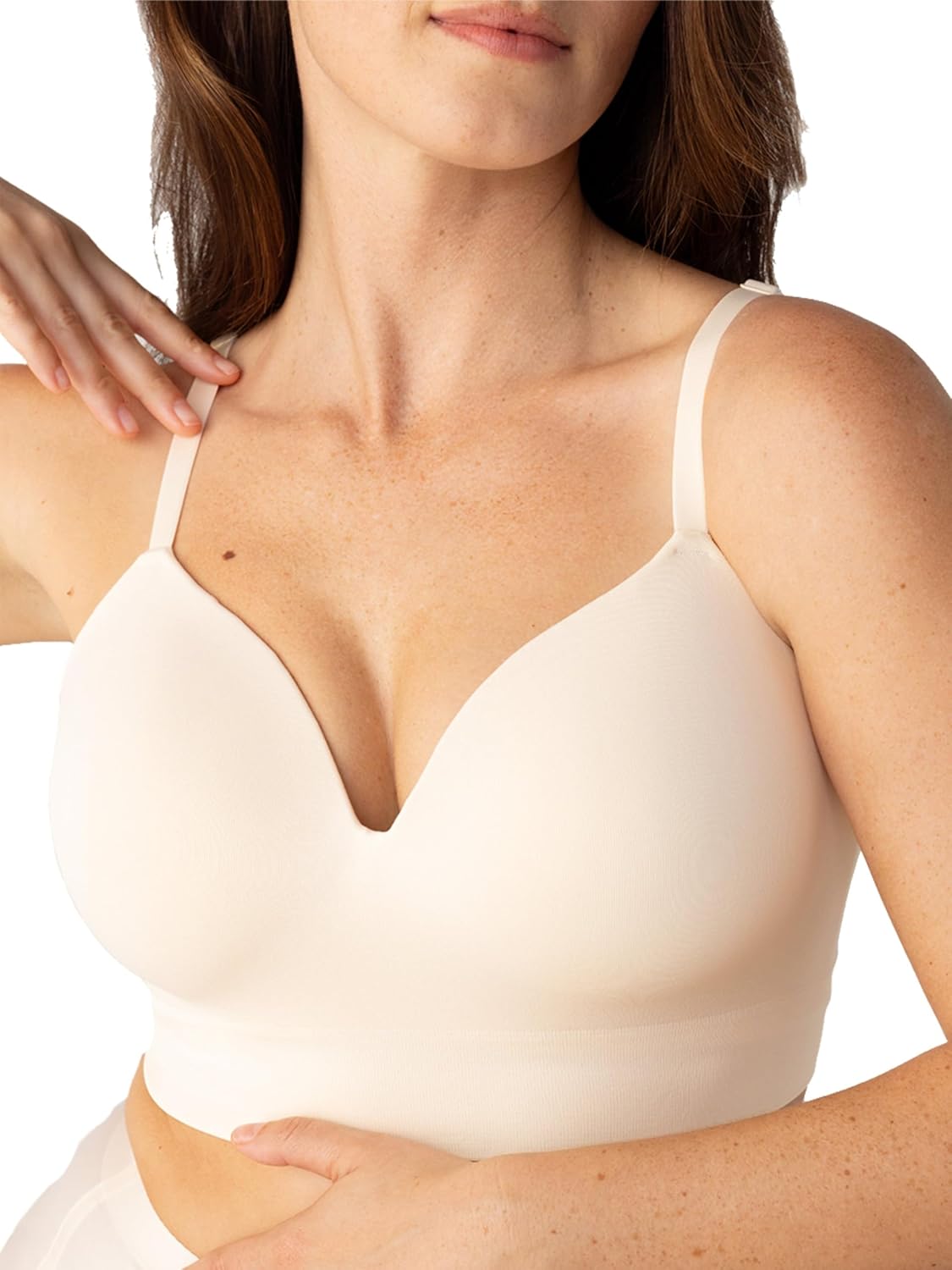
Wireless has closed most of the gap, largely thanks to better fabrics and cleverer construction. Gel cups, wide elastic bands, layered panels, and bonded seams now lift and shape without any hardware at all. The trick is that the support comes from the band and the cup construction working together, which means a well-made wireless bra is doing more than just "no wire" — it is a design achievement in its own right. For small to medium busts, the difference in lift is barely noticeable. For larger busts, a wired bra still tends to do the heavy lifting better, because the wire spreads a load that soft fabric alone cannot fully manage.

There is also a middle path that gets less attention than it deserves: the side-smoothing and full-coverage wired bras that pair the support of a wire with the comfort of soft, wide bands and padded straps. These are the workhorses of the drawer — not glamorous, but the thing you reach for on a long day when you need support and you do not want to think about it again until bedtime. If the debate has been making you choose between comfort and structure, this is the category that says you can have both.
So the honest answer is that it depends on your day, not your identity. Some women are wired for life; the fit is right and the structure is what they want. Some women are wireless forever, and good riddance to the metal. Most of us need both in the drawer and pick based on the outfit, the temperature, the length of the day, and how much we want to be aware of our own ribs. That is not indecision. That is just what real wardrobes look like.
The only wrong choice is wearing one you resent. A bra you hate is never worth it, whatever the label says, whatever the price tag says, and whatever the internet insists. Support should feel like support, not like a punishment you are enduring for the sake of a silhouette. If it hurts, it does not fit, full stop. Find the version of wired or wireless that fits you, and the argument resolves itself — not in the abstract, but in the mirror, where it always belonged.
Construction is the part most buyers skip, and it is where the real differences live. A well-made wired bra uses a padded or cushioned wire channel, so the metal never touches your skin directly — a small detail that is the difference between all-day comfort and a red mark by lunch. The band is where the support actually comes from, so a wider, firmer band will always feel more secure than a narrow, stretchy one. And the wing, the piece that wraps around your side, is what keeps everything stable; if it is flimsy, the whole bra is flimsy. These are the things to look at, not the colorway.
Longevity is another honest trade-off. Wired bras tend to last longer if they fit well, because the structure holds up over time. Wireless bras, by contrast, rely on elastic that fatigues, so they have a shorter active life even when they look fine. That is not a flaw — it is the cost of comfort — but it means you should expect to replace wireless pieces more often, and budget for it. A drawer that mixes both will naturally rotate, with the wireless pieces cycling out sooner.
Finally, ignore the labels and trust the trial. Some women find a wired bra more comfortable than any wireless piece because the support means less shifting and fewer straps digging in. Others find wireless the only thing they can bear. Neither is right in general, and the internet will tell you both are. The only data that matters is how you feel at the end of a long day, and that is something you can only learn by wearing the thing. Try both, in the correct size, and let your own body cast the deciding vote.