Lace, Satin, or Silk: What Actually Feels Better
Lingerie shopping tends to happen with the eyes. You see a fabric that catches the light, a color that flatters, a cut that promises something, and the decision is made before your skin ever gets a vote. But the fabric decision is ultimately made by the skin — and skin has strong opinions it rarely bothers to explain until eight in the evening, when that pretty little thing starts to itch in a place you cannot politely reach.
So before you buy anything, it is worth understanding what the three big lingerie fabrics actually do. They are not interchangeable, and confusing them is how drawers end up full of things that look lovely on the hanger and feel wrong against the body. Each one has a personality, a set of strengths, and a set of compromises. Knowing them turns fabric from a gamble into a choice.
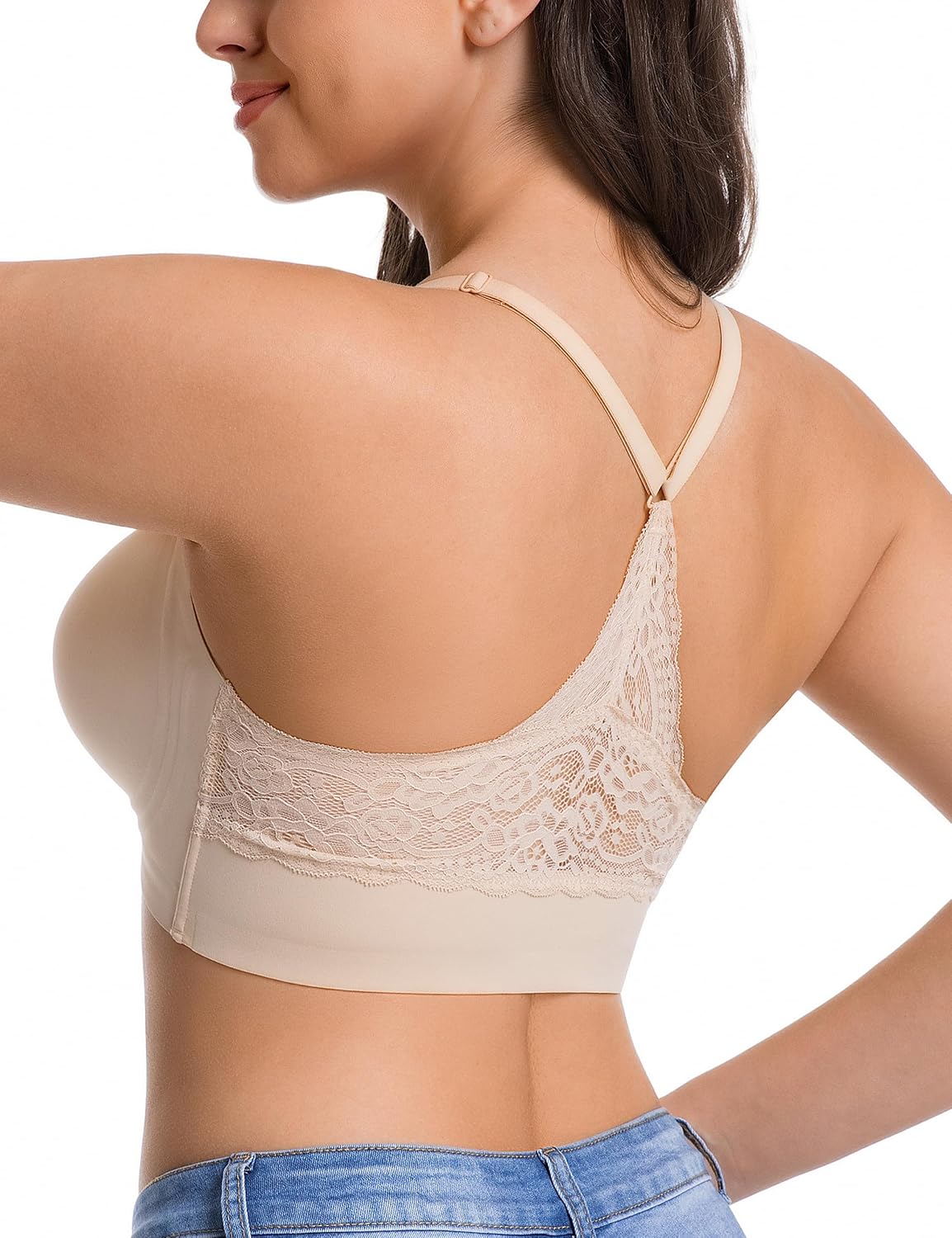
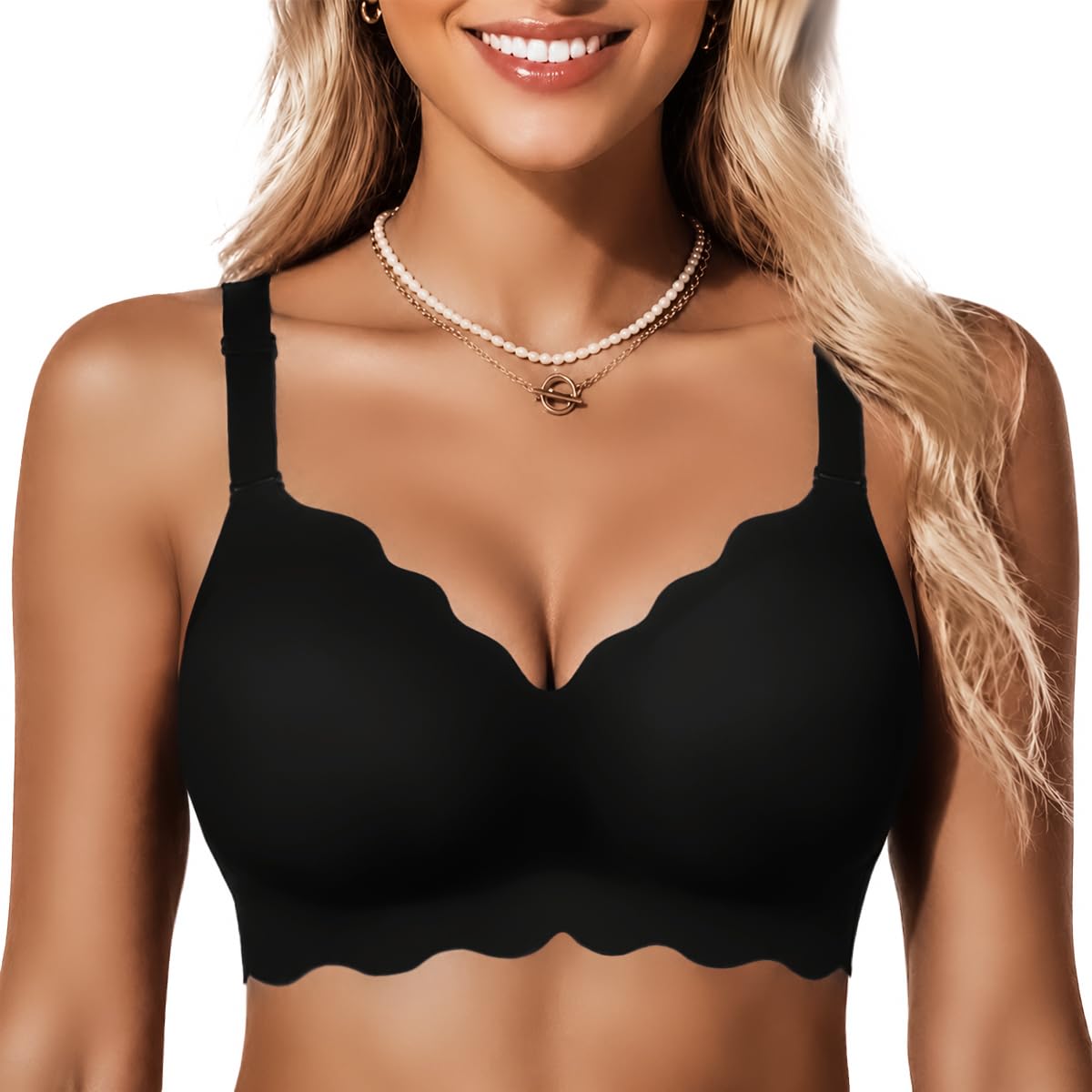
Lace is the romantic. It photographs beautifully and reads as special occasion without saying a word. Good lace is soft, breathable, and far more durable than its delicate appearance suggests; the good stuff is actually knitted, with a slight give and a texture that moves with you. Cheap lace, by contrast, is stiff, scratchy, and snags on everything it touches, including you. There is a simple test that works almost every time: rub the fabric against the inside of your wrist. If it catches, it will catch on you all day. If it feels almost like nothing, it is the real thing.
Lace also has a practical advantage people rarely mention: it breathes. In warm weather, a cotton-and-lace blend will keep you dramatically cooler than a solid synthetic, which is why so many everyday bras now put lace panels where the structure can spare them. It is not all ceremony. Some of it is pure ventilation.
Satin is the crowd-pleaser. It has that liquid sheen and a cool, slippery feel that reads as luxury the moment it slides over your skin. There is a reason it dominates nightwear and special-occasion sets: it looks expensive even when it is not. And that is the catch. Most satin is polyester wearing a nice coat. Polyester satin does not breathe, traps heat, and clings in a way that feels glamorous for an hour and clammy by hour three.
That is not a reason to avoid satin — it is a reason to buy it for the right job. Satin is an evening fabric, a couple-of-hours fabric, a low-lights-and-candlelight fabric. Wear it for an occasion, not a commute. If the label says silk and the price says polyester, trust the price: real silk costs real money, and anything claiming otherwise is marketing.
Silk is the genuine article. It is temperature-regulating in a way synthetics can only imitate, absurdly soft, and the one fabric on this list your skin actually prefers, even if you do not notice it consciously. Silk keeps you cool when it is warm and warm when it is cool, wicks moisture, and drapes in a way that photographs differently from anything synthetic. The downsides are real: it is expensive, and it demands hand-washing in cold water with a gentle detergent. Most people keep one silk piece for days that matter and fill the rest of the drawer with honest cotton blends and the occasional well-made lace.
None of these is better in a vacuum. Lace for the mood, satin for the shine, silk for the skin. The mistake — and it is a common one — is expecting one fabric to do all three jobs at once, or buying the prettiest thing on the rack and hoping it will be comfortable by some miracle. It will not be. But choose the fabric for the job, and comfort stops being a gamble. It becomes something you can plan for, the same way you plan for the rest of the outfit.
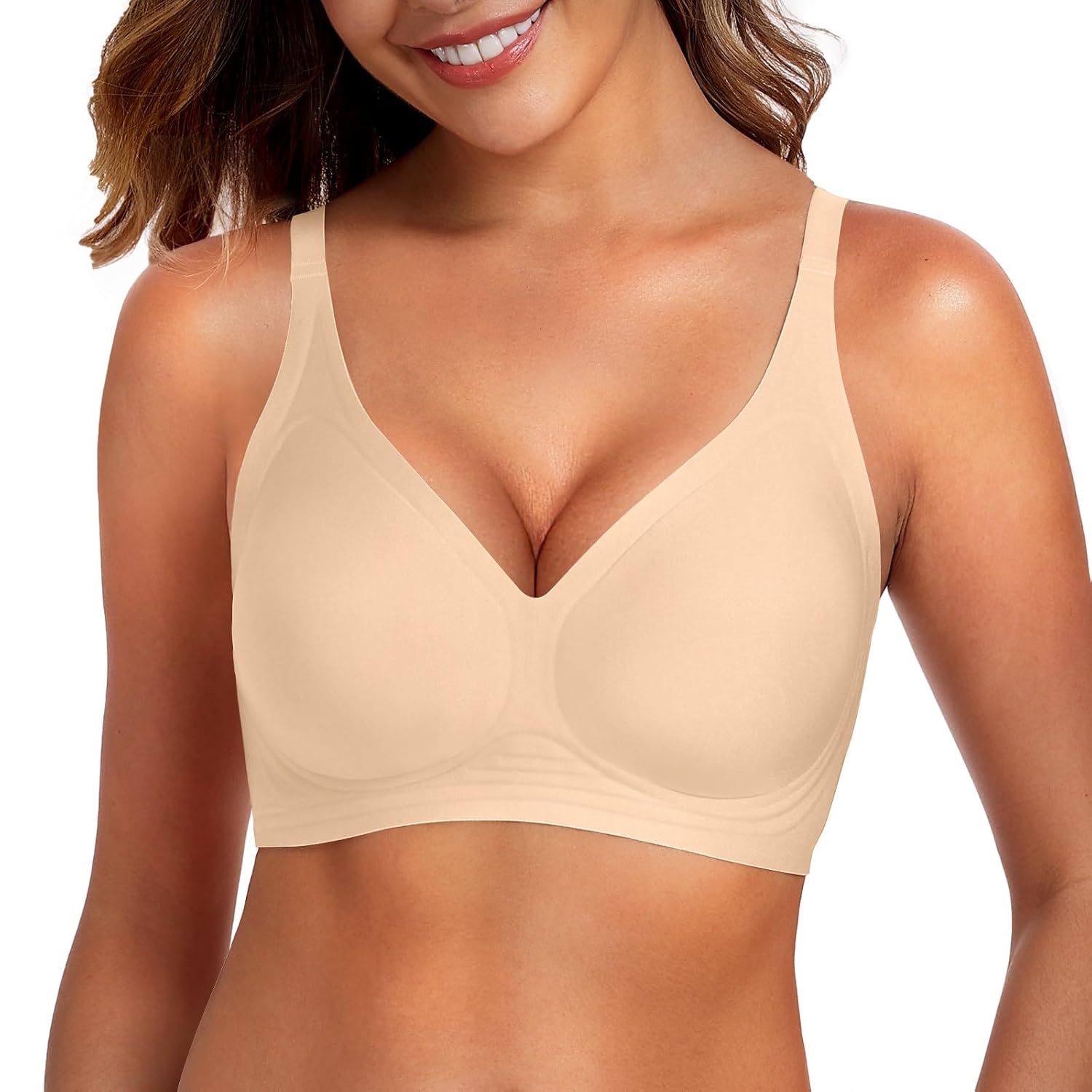
Most lingerie is not one fabric but a blend, and the blends are where the real value hides. A cotton-and-lace bra gives you the breathability of cotton with the prettiness of lace. A silk-cotton blend softens the cost of silk while keeping some of its temperature control. Even polyester satin, for all its flaws, often sits over a cotton-lined cup so the part that touches your skin breathes while the outside shines. When you are comparing pieces, read what is actually against your skin, not just what is on the outside. The lining is the part that decides whether you are comfortable by noon.
Care is the other thing nobody talks about, and it is the difference between a piece that lasts a season and one that lasts years. Lace should be washed in a mesh bag so it does not snag on hooks and zippers. Satin should be washed cold and never wrung — roll it in a towel and press the water out. Silk gets the gentlest treatment of all, hand-washed in cool water with a detergent made for it, and dried flat. None of it goes in the dryer. Heat is the enemy of elastic, of sheen, and of every pretty thing in the drawer, and a dryer does not care how much you paid.
There is also a seasonal argument that gets forgotten. Lace and cotton blends are summer fabrics — they move air and dry fast. Satin and heavier synthetics are winter fabrics, warmer against the skin but punishing in July. If you find yourself reaching for the same pieces all year and wondering why some months are comfortable and others are not, look at the fabric. You are not fickle. Your climate is just changing, and the drawer should change with it.